The Future of Human-AI Collaboration
29 June 2026 | AI & Future of Work
Introduction
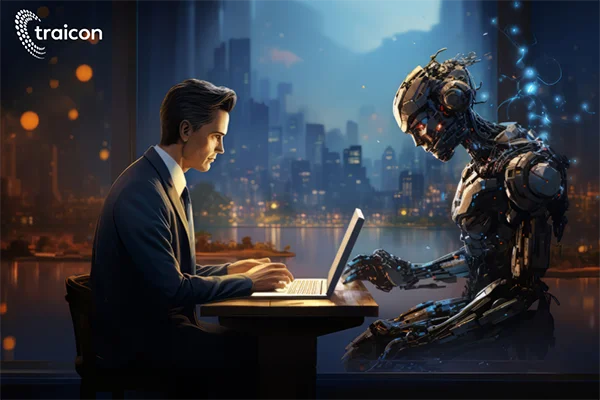
The rapid advancement of artificial intelligence (AI) is redefining industries, workplaces, and everyday life. Rather than replacing people, modern AI technology is creating opportunities for stronger collaboration between humans and intelligent systems. From healthcare and finance to manufacturing and customer service, the partnership between AI and human expertise is enabling faster decision-making, greater productivity, and innovative problem-solving.
The future of artificial intelligence lies in enhancing human capabilities instead of replacing them. By combining machine learning, automation, and human creativity, organizations can unlock unprecedented efficiency and innovation. As businesses continue investing in human artificial intelligence solutions, understanding the evolving relationship between AI and automation becomes essential for preparing for the AI and future workforce.
What is Human-AI Collaboration?
Human-AI collaboration refers to the seamless partnership between people and intelligent technologies where each complements the other's strengths.
Instead of viewing AI as a replacement for jobs, organizations increasingly use AI technology to:
- Automate repetitive tasks
- Improve business intelligence
- Support complex decision-making
- Enhance customer experiences
- Increase operational efficiency
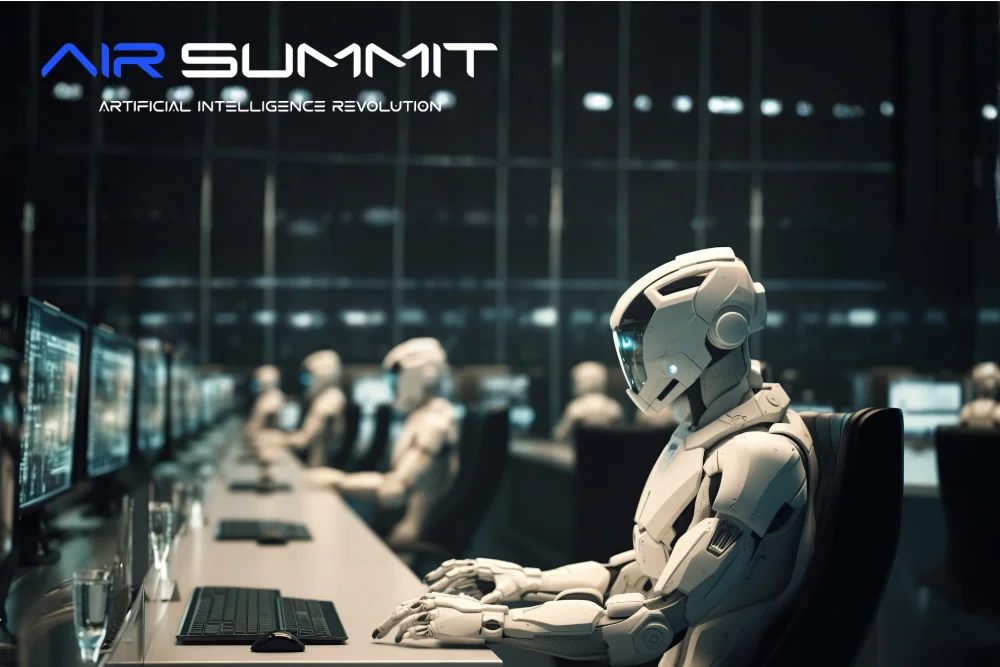
This collaborative approach allows employees to focus on innovation and strategic initiatives while AI handles routine and data-intensive processes.
Why Artificial Intelligence Works Better with Humans
1. AI Excels at Data Processing
Modern artificial intelligence systems can analyze millions of records within seconds, identifying trends that would take humans weeks to discover.
Applications include:
- Financial forecasting
- Fraud detection
- Medical diagnosis
- Customer behavior analysis
- Predictive maintenance
2. Humans Bring Creativity and Judgment
Although AI delivers speed and accuracy, humans remain essential for:
- Ethical decision-making
- Leadership
- Emotional intelligence
- Strategic planning
- Creative problem-solving
The combination of AI and human expertise creates smarter organizations capable of making balanced decisions.
Industries Benefiting from Human Artificial Intelligence
1. Healthcare
Doctors use AI for:
- Disease detection
- Medical imaging
- Personalized treatment plans
- Drug discovery
- Patient monitoring
Healthcare professionals combine AI insights with clinical expertise to improve patient outcomes.
2. Banking and Finance
Financial institutions leverage artificial intelligence for:
- Fraud detection
- Credit scoring
- Investment analysis
- Customer support chatbots
- Regulatory compliance
Human oversight ensures fairness, transparency, and ethical financial decisions.
3. Manufacturing
Smart factories utilize AI for:
- Predictive maintenance
- Robotics
- Supply chain optimization
- Quality inspection
- Production planning
Workers collaborate with AI-powered systems to improve efficiency and reduce downtime.
4. Education
AI is transforming education through:
- Personalized learning
- Intelligent tutoring systems
- Automated grading
- Learning analytics
- Virtual classrooms
Teachers continue to provide mentorship, emotional support, and critical thinking skills.
Challenges of Human-AI Collaboration
1. Ethical AI Development
Organizations must ensure AI systems remain:
- Fair
- Transparent
- Explainable
- Secure
- Accountable
Responsible AI development builds trust among users and stakeholders.
2. Privacy and Data Security
As AI processes enormous amounts of information, businesses must prioritize:
- Data privacy
- Cybersecurity
- Regulatory compliance
- Secure AI deployment
- Responsible data governance
Protecting sensitive information is essential for successful AI adoption.
3. Upskilling the Workforce
Employees need continuous learning to work effectively alongside AI technologies.
Essential future skills include:
- AI literacy
- Data analysis
- Digital communication
- Critical thinking
- Adaptability
Organizations investing in workforce development will be better prepared for the future.
Conclusion
The partnership between artificial intelligence and people is shaping a smarter, more innovative future. As AI technology continues to evolve, organizations that successfully integrate AI and human collaboration will gain significant competitive advantages through improved efficiency, better decision-making, and enhanced customer experiences.
The future of artificial intelligence is not about replacing people—it is about empowering them. By combining AI and automation, and human creativity, businesses can build resilient, intelligent workplaces ready for the challenges of tomorrow. Embracing human artificial intelligence solutions today will help organizations prepare for the AI and future economy, where collaboration between humans and intelligent machines drives sustainable growth and long-term success.